
In Sudan, people are fleeing the bombs; now they face the threat of starvation. Two million displaced people are seeking refuge in the Nuba Mountains. CSI is distributing food, blankets, mosquito nets and medicines. Time is of the essence. Emergency aid saves lives and brings hope.
Video: Sudan Hunger Relief Campaign 2026 - Give Food, Save Lives
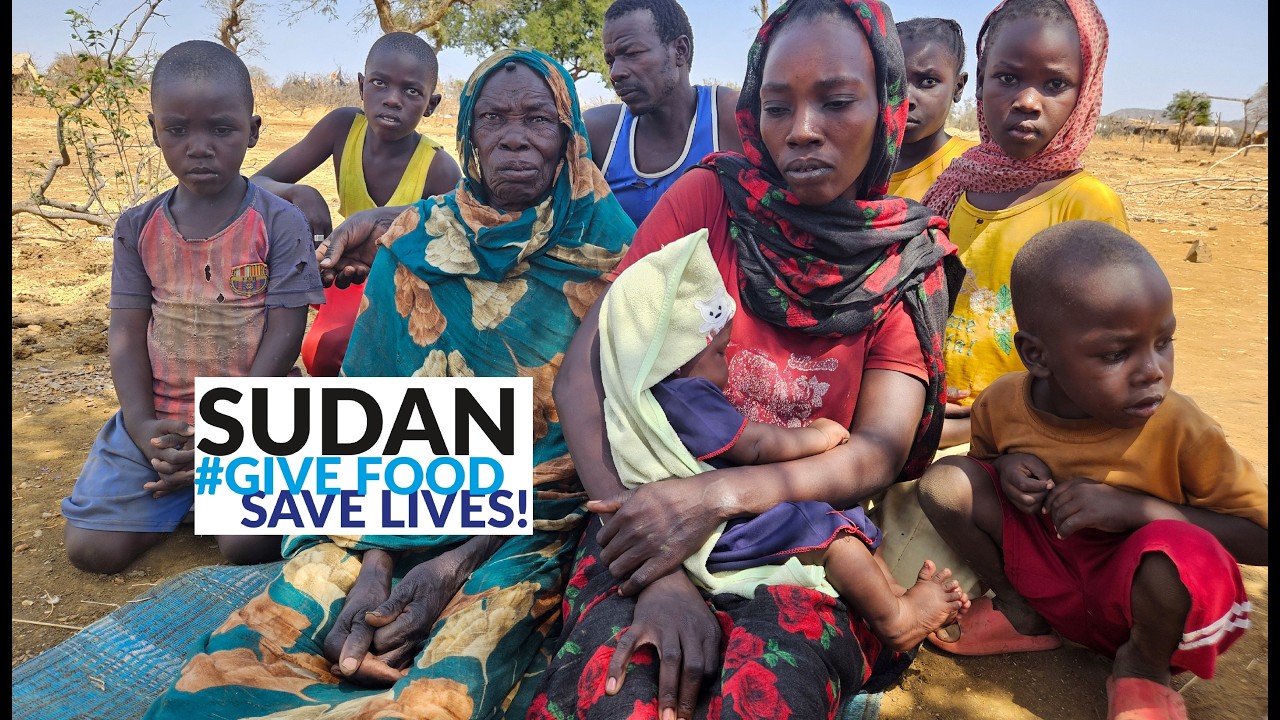

Since April 2023, a bloody civil war has been raging in Sudan, fought between two rival main factions: the Sudanese Armed Forces (SAF) and the Rapid Support Forces (RSF). At least 150,000 people have lost their lives so far, and more than 12 million have been displaced.

People are fleeing drone strikes and carpet bombing and are moving toward the southern part of the country. Many internally displaced persons have sought refuge in the Nuba Mountains in South Kordofan state. The situation in this barren region is precarious: two million people are living together in 15 camps in extremely cramped conditions, and more are arriving all the time. There is a shortage of food, medicine, and hygiene supplies. Experts declared a famine some time ago.

The people in the Nuba Mountains are poor, yet they are doing everything they can to take in the displaced. But the situation is dire and the need is great: most of the displaced are sleeping out in the open. Adults are desperately searching for work, and children are not receiving an education. Hunger is ever-present, causing fear and posing a threat to people traumatized by war. Help is urgently needed!
We support families in need


Video: Sudan Hunger Relief Appeal
Background


FAQ
Since April 2023, an armed conflict has been raging between the Sudanese Armed Forces (SAF) and the Rapid Support Forces (RSF). Neither side is sparing civilian lives in their fight for power and access to the country’s resources. Millions have been displaced. Displaced non-Arabs, widows, orphans, the sick, and people with disabilities are among the most vulnerable population groups.
The Nuba Mountains region of southern Sudan has suffered greatly from prolonged conflict in recent decades, particularly since Sudan gained independence from British and Egyptian colonial rule in 1956. There are several reasons for these conflicts: ethnicity and religion, politics, and the discovery of oil in South Sudan in 1978.
The region is inhabited by about 100 African tribes, which have collectively been known as the Nuba for centuries. About 45% of the Nuba are Christians, another 45% are Muslims, and the remaining 10% follow local tribal traditions or profess no religion. For centuries, the Nuba Mountains have served as a refuge for members of African tribal groups fleeing Arab slave traders from the north. The Nuba people themselves have suffered cultural oppression and genocide. This historical reality helped to strengthen central aspects of Nuba identity and culture that persist to this day—including tolerance, a sense of community, and openness toward the marginalized.
Today, due to a lack of resources and services—ranging from healthcare and education to water, shelter, and food—the Nuba population struggles to meet their basic needs. The ongoing civil war further exacerbates the situation.
In fear of their lives, civilians are forced to flee conflict zones and seek refuge in displacement camps, such as those in the Nuba Mountains. But even there, the situation is dire: there is a shortage of medical care and food. The traumatized new arrivals now face hunger. Children are malnourished and there are no schools.
“The Nuba Mountains are a conflict zone,” says the CSI project manager. “And the war is getting closer and closer, which brings with it a constant sense of tension and uncertainty. On days when up to 400 new people arrive at the camps, things get chaotic. There is no constant presence of non-governmental organizations, only occasional, limited support.”
With your support, we can ensure the survival of as many internally displaced people in Sudan as possible.
Above all, families and vulnerable people in the reception camps for displaced persons. This includes pregnant women, unaccompanied minors, the sick, widows, orphans, the elderly, and people with disabilities. CSI is supporting four of the 15 camps for internally displaced persons, including Andulu and Eri.
CSI’s emergency aid helps meet the basic needs of the displaced. This not only ensures their survival but also gives them hope that life will go on.
You can make a financial donation, share this campaign with others, and pray for all those suffering in Sudan.
Your donation will be used to provide food, medicine, and plastic sheeting in camps for displaced persons. For just CHF 95 we can provide food for a family of four for three months. Should we exceed our fundraising goal, the money will be used for emergency and disaster relief in other countries where CSI operates.